
New Page Content!

how to use this section of the site. Lorem ipsum dolor sit amet, consectetur adipiscing elit, sed do eiusmod tempor incididunt ut labore et dolore magna aliqua. Ut enim ad minim veniam, quis nostrud exercitation ullamco laboris nisi ut aliquip ex ea commodo consequat. Duis aute irure dolor in reprehenderit in voluptate velit esse cillum dolore eu fugiat nulla pariatur. Excepteur sint occaecat cupidatat non proident, sunt in culpa qui officia deserunt mollit anim id est laborum
The transition to change the way we produce and use energy across buildings, transport and industry is a challenge across the UK and needs engagement and insights from lots of different perspectives. Whilst at a national level the National Energy System Operator (NESO) has the mission for national, central and regional planning it is the Local Authorities and local people (stakeholders) who have placed-based strategies and plans that will inform and predict the exact geography of how and when changes will happen. The preferred method proposed for this is the Local Are Energy Plan or LAEP.
Local Area Energy Planning is a process designed to deliver effective local action to contribute to the UK’s net zero ambitions. It provides an action plan for local leaders that also accounts for action at the national level. It incorporates technical evidence on the whole energy system, wider non-technical factors and engagement with stakeholders.
It aims to deliver cost savings, social benefits and a more coordinated energy transition by taking a proactive, whole-systems, place-specific approach to energy planning
In short, it tells you what measures need to be taken, where exactly changes need to happen, how many of each measure is needed and how much it is likely to cost.

Local Area Energy Planning entails using multiple sources of national and local data and insights to model the whole energy system, testing different technologies and scenarios, and analysing the outcomes. There are seven stages to the process:
Preparation – gathering available data and reviewing relevant policies and strategies.
Stakeholder engagement – this runs through the whole process.
Baselining of the existing energy system in a local area.
Modelling options for the future.
Scenario refinement and selection.
Setting out the necessary actions, priorities and decisions.
Creating the plan.
As an output we are also seeing the creation of ‘Digital twins’ creating a map-based visualisation of the data) as part of a LAEP commission. This brings the complex area of energy planning across a town or local authority area to life in maps that can show proposed actions.
LAEP will help bring the changes for the energy transition into focus, but will probably need to be refreshed and reconsidered every 2-3 years for the next few decades.
MNZH has commissioned and is supporting the ongoing development of a programme of 8 LAEPs for the East Midlands Combined County Authority which will shortly be developed into a regional LAEP.
We are also supporting the development of a LAEP for Rutland and have fed into the Leicestershire LAEP.
In addition to this we have closely supported the development of several smaller stage 1-3 plans and have commissioned a supporting Industrial sector study to bolster data and insights and improve this aspect of LAEP.
The growth of renewable energy in the UK is demonstrable through the extent to which Solar has been deployed across domestic and commercial roof-top solutions and increasingly ground-mounted systems. Historically thought not to be practical in the UK, the advances in technology and reduction in cost of units has led to its use across all of UK (not just south of Watford!). There current indications are that solar will continue to grow and can provide households and business with ‘local’ electricity supply that can help reduce demand on the system and provide savings in energy bills.
The role of Solar in generating low carbon electricity, from the sun, has changed significantly in last decade, as the cost of equipment has decreased massively. Solar is now common across domestic and business rooftops and on ground mounted arrays, with strong growth expected in line with the UK’s official ambition to reach 70 GW of solar capacity by 2035. The UK aims to increase capacity from 15 GW to 70 GW by 2035, creating massive opportunities for the East Midlands.
Electricity is converted from the solar energy during periods of strong daylight through the use of Photovoltaic cells mounted in flat panel frames (and potentially may even come on rolls in the future). An installation consists of solar panels, invertors (converting DC to AC), cables, and mountings and the option to add a battery for local storage.
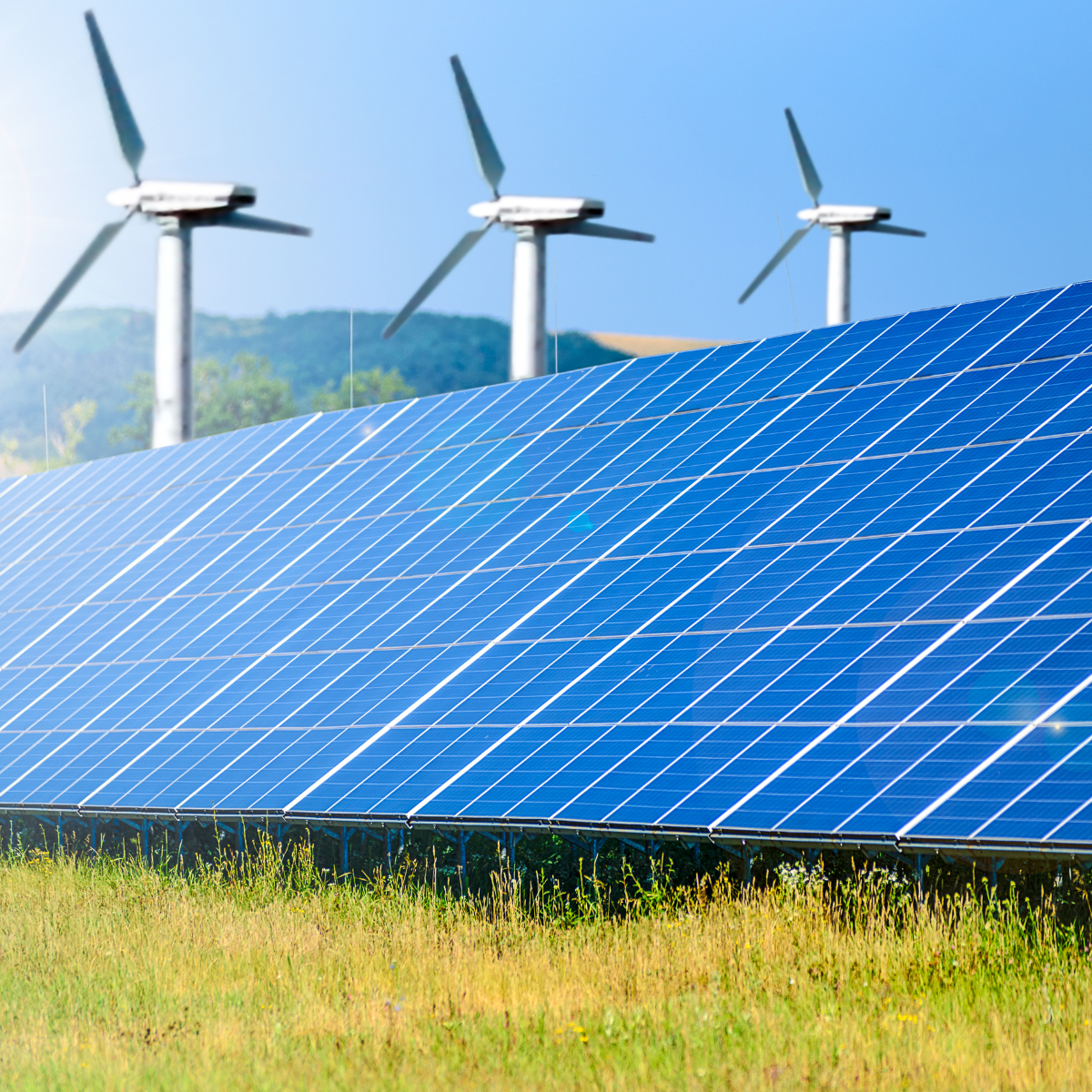
The power of single panels is increasing as technology improves and typically a 6-8 panel domestic roof installation on a south-west to south-east facing roof will be 2-4 KWp rated and produce around 3,000 kWh a year – around 50% of average household use. Typical costs are around £4-8,000 per house. Large Solar farms have been built across the region, and these tend to be up to a thousand times more power than a single domestic installation. A 500 MW solar farm typically requires around 1,800–2,500 acres, depending on design and spacing.
The East Midlands is well‑positioned for solar deployment due to favourable geography and strong development activity. Lincolnshire, Leicestershire and Nottinghamshire offer large areas of flat, developable land, and Lincolnshire has become a national focal point for large‑scale solar, supported by multiple nationally significant solar projects approved since 2024. Local delivery capacity remains strong, demonstrated by community‑supported activity such as the Leicestershire Solar Schools project (which surveyed 260 schools and identified 116 as suitable for solar installation).
MNZH has assessed renewable energy opportunities across 112 Midlands public sector sites, with solar featuring prominently alongside heat pumps and batteries. These assessments project 33,408 tonnes CO2e annual savings. We've helped organizations secure £13m+ in funding, and are currently supporting a feasibility study for 2MW of community solar across 260 Leicestershire schools. (ref: OnGen Expert: Midlands Net Zero Hub Case Study – Sustainability West Midlands from 2023)
The emergence of wind generation in the UK over the last two decades has created the foundations for increasing low carbon domestic electricity generation, as the size of individual wind turbines increases and contribute to bigger projects. Wind generation is an essential enabler of Clean Power 2030 and will provide a substantial portion of the increased electricity needs in the UK.
Wind energy is a form of renewable energy that generates electricity by using the natural movement of air. When the wind blows, it turns the blades of a wind turbine, which rotate a generator to produce electricity. Wind energy produces no carbon emissions during operation and relies on a naturally replenished resource (hence the term ‘renewables’), making it an important part of the transition to a cleaner and more sustainable energy system.
Wind projects generate electricity by harnessing the power of the natural movement of the air using turbines. Wind turns the turbine blades, which drives a generator to produce electricity. This electricity is then carried through cables into the power network to supply homes, businesses and public services. Projects can be located on land (onshore) or at sea (offshore) and range in scale from single turbines to multiple turbine farms. The largest offshore wind turbines are now in the range 15 – 25 MW from a starting position of just 1 – 2 MW per unit twenty years ago.
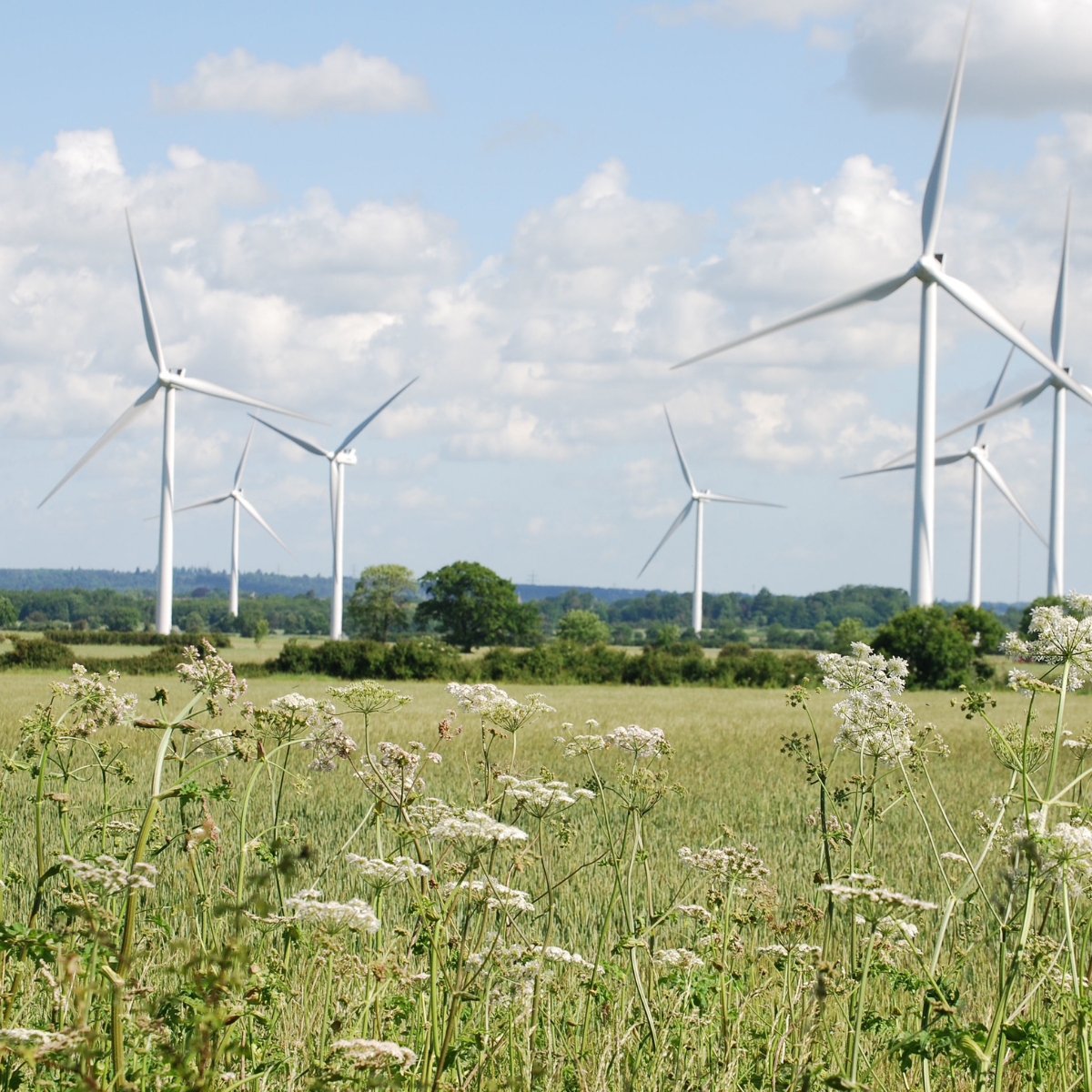
For electricity generation, an onshore wind turbine is generally one of the lowest-cost forms of project. Typical costs of a wind turbine will vary depending on its size, location and site conditions. In England, the typical cost for onshore wind capacity is around £1.2 to £2 million per megawatt (MW), including turbines, foundations, and installation, though this can vary. Offshore wind is significantly higher, potentially reaching £3 to £5 million per MW or more, depending on marine foundations, technology (fixed vs. floating), location, and associated infrastructure (foundations, grid connection) etc.
In moving to an energy system with more renewable generation such as wind and solar, that relies on weather or time of day for its availability, we often produce energy when we don’t need it all – so we need to be able to store it – close to where it is produced or needed. Electrical energy has often been stored in small batteries for convenient use for portable devices and for starting our cars but is now being stored in much bigger batteries that operate at much higher voltages. Making the electricity available when we need it later.
Battery Energy Storage Systems (BESS) allow electricity to be stored and used later, helping to smooth out mismatches between when energy is generated (or cheapest) and when it’s needed. They range from small domestic batteries (a few kilowatt hours) to large grid connected systems that can supply power at the scale of tens or hundreds of megawatts.
At a Domestic level or small scale - Households with PV Solar, generated through the day when the sun shines, can use a domestic scale battery to hold excess electricity and then use it later in the day in the peak price period to save money. This can significantly increase the proportion of solar energy used by households - typically lifting self-consumption from around 35% to roughly 70–75%. Without a battery, surplus solar electricity could be turned into hot water for homes with a storage tank or sold to the Grid but often the price is quite low for excess solar. Homeowners, with a battery, can also take advantage of cheaper off-peak tariffs by importing and storing electricity at night when prices are cheaper and using it during peak periods of the day when prices are more expensive. There is also the potential to use the sored electricity to provide (sell) power to the wider electricity network, known as the flexibility market, when there is a lack of power available in the area.
Larger, Grid Scale Benefits - In the same way that small batteries provide storage and flexibility, there is an increasing need to do this higher up the energy system and large-scale storage solutions as arrays of batteries are now in operation and being developed across the UK. Larger systems help stabilise the grid and keep it reliable – something we all take for granted, by helping balance fluctuations in supply and demand and providing power to maintain the steady frequency of the systems to improve grid stability. Battery systems are useful to help large solar farms and wind farms store their energy for use later and like for domestic systems can be ‘filled or charged’ when prices are low and then ‘discharged or emptied’ when prices are higher. Storing electricity helps make power available when we need it.
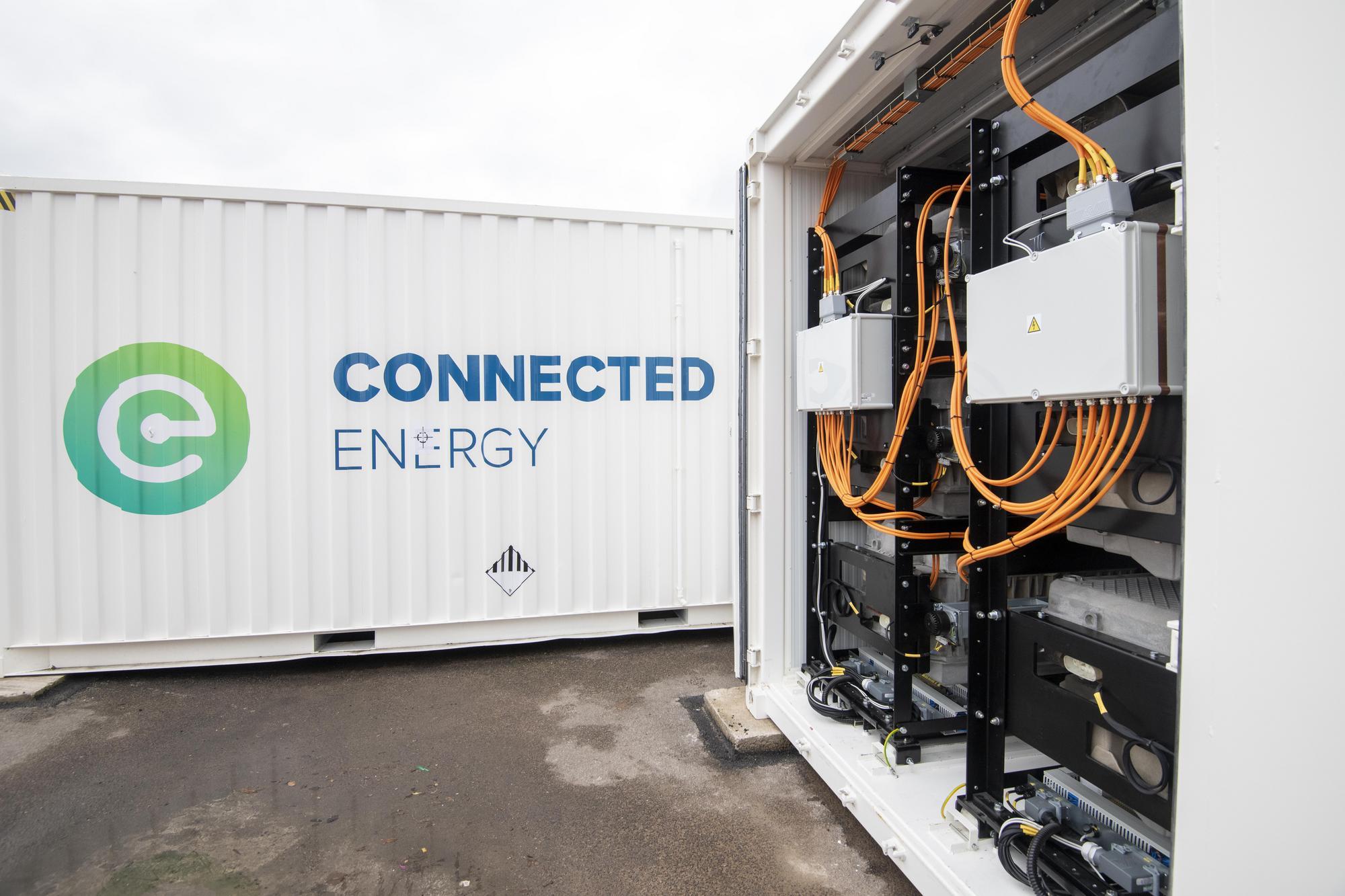
BESS typically charge when electricity is cheaper or more abundant—such as overnight, or when there’s high wind or solar output—and then discharge when demand or prices rise. They use a combination of (usually) lithium ion cells, an inverter, and smart control software to manage when to store and release energy, either for the benefit of a household or to provide flexibility services to the wider electricity system.
A typical installed home battery system (5–15 kWh) usually costs around £4,000–£15,000 depending mostly on the capacity of the system
In homes with solar panels and/or access to time of use tariffs, typical savings sit in the range of £300–£800 per year, depending on consumption patterns and tariffs.
The UK needs a mix or ‘jigsaw’ of energy sources to produce electricity now that coal fired generation has ceased. Nuclear power generation is an essential part of the UK energy strategy providing large scale central generation at strategic sites across the country. The older nuclear power stations using Magnox or Advanced Gas technology have either closed or will close in the next few years. New Pressurised Water Reactors (PWR), similar to the Sizewell B are being built now, and then there is the opportunity for Smaller Modular Reactors (SMR) using the same technology. Excitingly, there are further options for the UK to lead the world on Fusion technology - that promises to be able to provide electricity through an alternate approach.
Nuclear energy will play a huge role in decarbonisation the energy grid and help the UK reach their ambition for more domestic low carbon electricity generation. The UK has set a goal of achieving up to 24GW of nuclear capacity by 2050 and is a cornerstone of UK energy security and industrial strategy. There are currently around 100,000 people involved in the Nuclear sector.
The two types of nuclear energy production methods are ‘Fission’ (most common) and ‘Fusion’. Fission harnesses the energy from the process splitting the atom - releasing a lot of energy that is used to produce steam through a pressurised water reactor and then generate electricity through conventional steam turbines. This is the method used in commercial nuclear power plants including the new plants in construction in Somerset and Suffolk and is the basis of Small Modular Reactors (SMRs) and other Advanced Modular Reactors (AMRs).
In fusion, the idea is that two light atomic nuclei are fused together under extreme heat and pressure to produce a single heavier nucleus which produces a large amount of energy. Currently there are no commercial fusion power plants, however there are a few in development, including the STEP Fusion project in Nottinghamshire at West Burton, where they are building a prototype fusion powerplant by 2040.
A typical large nuclear reactor produces more than 1 GW of power. A power station, for example Hickley Point C and Sizewell C, with two reactors at each site, are each predicted to produce 3.2 GW of power. These conventional nuclear power plants have a large upfront cost, usually in the 10s of billions and take time to build, with the payback time is usually up to 40 years. As the next step in the UK, we are looking for the smaller Rolls-Royce SMR unit, designed in the East Midlands, is predicted to generate 470 MW, each costing £2.5 Bil. and it has been confirmed that Wylfa in North Wales will host 3 of these SMRs.
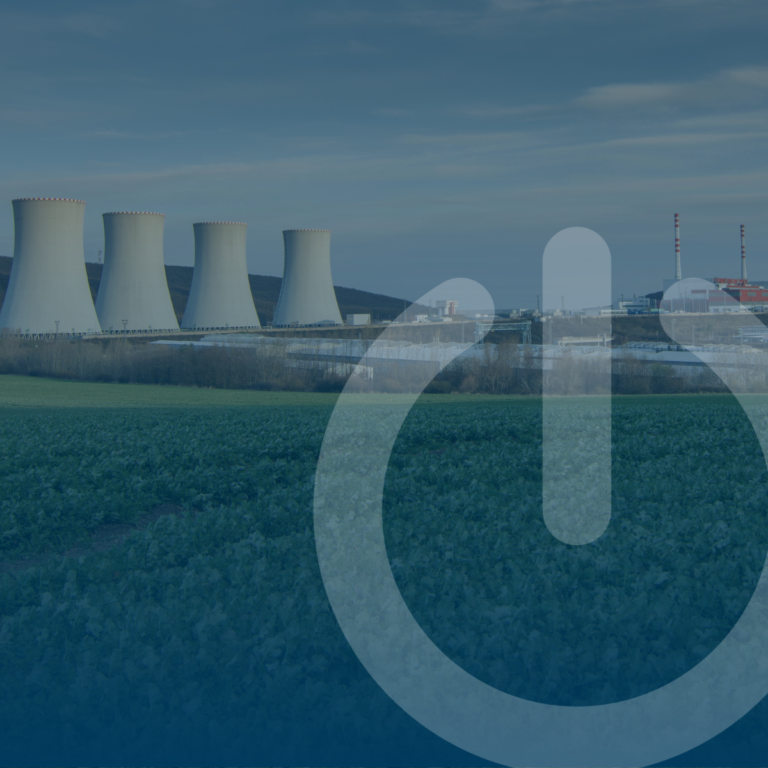
MNZH commissioned a Siting and Skills Studies that is available on our website (link below) and currently we are working with EMCCA on the Nuclear Supply Chain Study. Both the Siting and Skills Studies show the potential for the development of the nuclear industry in the region. In the Midlands there are already nuclear developments in place such as STEP fusion in West Burton and Cottam power station- the UK’s first nuclear-powered data centre.
As part of our energy transition, we are looking to reduce the use of fossil fuels that emit high levels of carbon. Whilst electrification remains a priority for the transition there are some processes and uses of energy that still need something else. Hydrogen is proposed for some of these ‘hard to electrify’ applications in transportation or industrial high temperature processes.
Hydrogen Production is the industrial process of extracting hydrogen gas (H2) from compounds like water or natural gas. Primarily Hydrogen will be used as a clean energy source to replace natural gas or petrol products and there is a colour coded carbon footprint dependant on the method used to create Hydrogen. Grey is from fossil fuels, Blue is fossil fuels where the carbon is captured and Green is through renewable powered electrolysis.
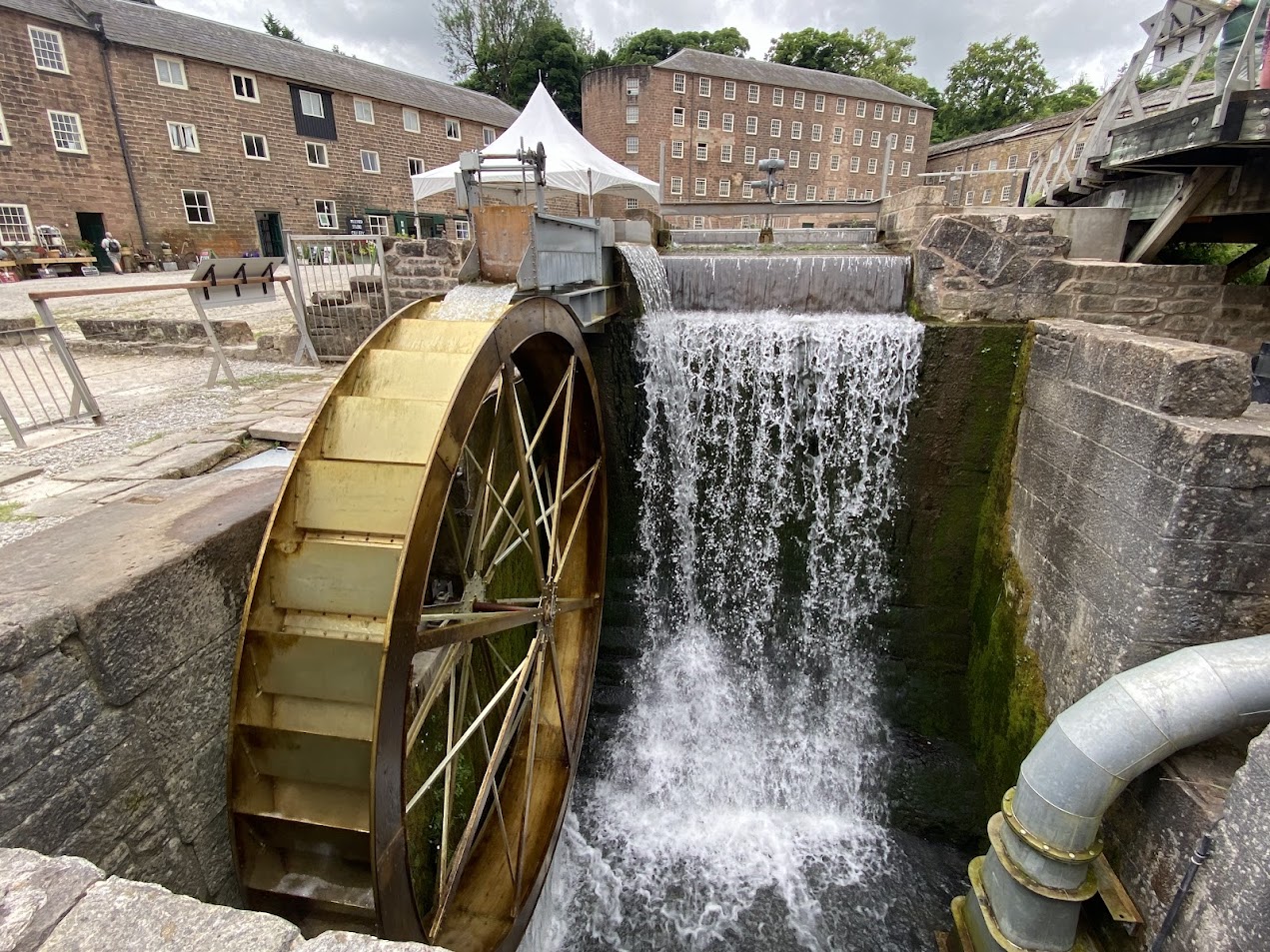
Hydrogen is a versatile fuel that can decarbonise sectors where electrification is impractical. It allows for clean, high-temperature heat in industrial processes. In addition to this, it can also be used as fuel for shipping, aviation and heavy transport. Hydrogen is Net Zero Carbon at point of use as the only by-product is water, however to be considered a Net Zero fuel it needs to come from either Blue or Green production methods.
The UK government aims to deliver up to 10GW of low-carbon hydrogen production capacity by 2030. GBE has been tasked investing in the development of this, alongside National Wealth Fund. It is one of the five sectors that will benefit from £5.8bn allocated to National Wealth Fund with the aim to incentivise the transition to private finance.
In the East Midlands, Hydrogen Production is being championed and planned by the East Coast Hydrogen. A Joint Venture between Northern Gas Networks, Cadent Gas and National Gas, they are supporting hydrogen production and storage with industrial users in the region.
The H2 East pipeline has been proposed by Cadent through the East Coast Hydrogen collaboration, this connects production in the North of Lincolnshire through to offtakers in Lincolnshire and Nottinghamshire. The pipework will be underground so once completed will not be visible or disruptive to the landscape. The project has just launched this year and is currently being scoped and consulted upon, with early findings released later this year, and a DCO submission anticipated in 2028.
Transportation is one of the largest contributors to energy use, carbon emissions and air quality emissions, and fossil fuels such as petrol and diesel are often forgotten when thinking about personal or business energy costs. The option to use electrification in transport is some ways a return to the past, when trams electric milk floats and other vehicles were electrically powered. The UK is now looking to move towards more electric vehicles, that use much less energy compared to petrol or diesel vehicles that waste energy to heat in exhausts and radiators colling the engine.
An Electric Vehicle (EV) is a vehicle powered by one or more electric motors, using energy stored in rechargeable batteries instead of relying on a traditional internal combustion engine (ICE) and fossil fuels such as petrol, carried in a petrol tank.
With the need to move away from fossil fuels to reduce our impact on climate change, and in order to reduce the impact of air pollution for health benefits we are seeing a rapid shift towards electric vehicles. This is supported by national legislation and innovations supporting cheaper mobility and cheaper running costs.
Electric Vehicles, such as cars, convert around 80% of the energy from the battery to power the wheel, compared with petrol or diesel vehicles that only convert around 40% of the energy paid for at the pump to power the wheel.
The move to EVs is also setting challenges for residents, businesses and the public sector with a need to consider charging, grid connection and a shift to more intelligent ways of connecting mobility and clean energy. Midlands Net Zero Hub is working with partners to support the shift!
Electricity is stored in large batteries and deployed to power motors. EVs have fewer moving parts than ICE vehicles and many of the parts of an EV are specifically designed for this purpose in order to optimise the use of power and to get the most for the user.

EVs are approximately 18-20% more expensive than ICE vehicles (although this figure is skewed by a greater proportion of high end EVs). There are many second-hand vehicles available at reasonable prices and new car prices are coming down as more manufacturers and models come onto the market.
There are also alternative ways of purchasing through salary sacrifice which are more cost effective. From a fleet perspective, more organisations are turning to EVs to bring down their running costs, with the Total Cost of Ownership often being cheaper for EVs than with ICE vehicles.
Charging of private EV’s tends to be done mostly at home – there are cheap electricity tariffs available through most energy companies for at home, overnight charging (7p/kWh being a standard rate) meaning that an EV with a 70kWh battery can fully charge for around £5 – this tends to be slow charging (the 70kWh vehicle would take 10 hours to charge).
For on-the-go charging (longer journeys) charging tends to be faster and more expensive – approximately 70p/kWh to charge the 70kWh in approximately 30-40 minutes. The charging network is very well established with a core network across the UK, and the private sector investing in charging across out towns, cities, petrol stations, service stations and destinations. Indeed, electrification has enabled EV fuelling to happen in far more diverse places than ICE vehicle fuelling.
MNZH has supported Local Authorities, and Blue Light Services with fleet and charging advice and support. The ‘Electrification of Council Depots’ is a toolkit and guide available on the MNZH website which takes LA’s through the practicalities of preparing a business case for charging infrastructure and was established due to requests from public sector partners. We are currently working with the Police and some Fire and Rescue Services to help them to understand their fleet transition and how to plan charging infrastructure for their depots.
MNZH has also worked with Midlands Connect to identify opportunities for supporting electrification of Heavy Goods Vehicles – a particular need given the strength of the logistics sector across the Midlands. Whilst electrification of logistics is still quite young there is huge investment across Europe in fleet and charging infrastructure.
Nationally – from 2030 only electric and hybrid new cars will be available, from 2035 only electric new cars and light vans will be available, from 2040 only electric new HGV’s will be available. These policies are supported by a market mechanism setting vehicle sales targets towards the same timescales.
In 2025 23.4% of new car sales were Electric Vehicles.
There is Government funding towards the cost of Zero Emission cars, motorbikes, vans and trucks – see https://www.gov.uk/plug-in-vehicle-grants
As we look to increase energy security in UK through diversification of sources and more domestic production then Anaerobic digestion (AD) is a vital, growing renewable energy sector, with nearly 730 operational plants nationally converting organic waste (food, sewage, agricultural slurry). As a low-carbon energy source, it generates electricity and heat, or is refined into biomethane for the national grid, supplying enough green energy for over 1.2
Anaerobic digestion (AD) is a natural process where microorganisms breakdown organic waste (like food, manure, sludge) in the absence of oxygen. Through this process, three key renewable resources are produced:
Biomethane. Green gas which can be injected into the national gas grid – suitable for domestic heat or transport fuel – or it can be used to generate renewable electricity.
Bio-CO2. A stream of gas suitable for industrial use (e.g. carbonating drinks) or storage, thus reversing GHG emissions.
Biofertiliser (known as digestate). An organic fertiliser which recovers nutrients found in all food waste and returns them to land.
The UK government's new "Simpler Recycling" reforms seek to standardise waste collection and mandate that food waste be separated from general waste for both businesses and households. As Anaerobic Digestion is the government’s preferred option for the treatment of food waste, the Hub set out to help inform local authorities of what AD can deliver for them.
Managing food waste via AD converts material from a “waste” into valuable, low-carbon bioresources, delivering a 6% cut in the UK’s greenhouse gas emissions. By recycling the valuable resources in food waste through anaerobic digestion (AD) councils can help reduce waste. WRAP’s most recent estimate of food waste in the UK is 10.2 million tonnes per annum million homes, or alternatively can create fertiliser.
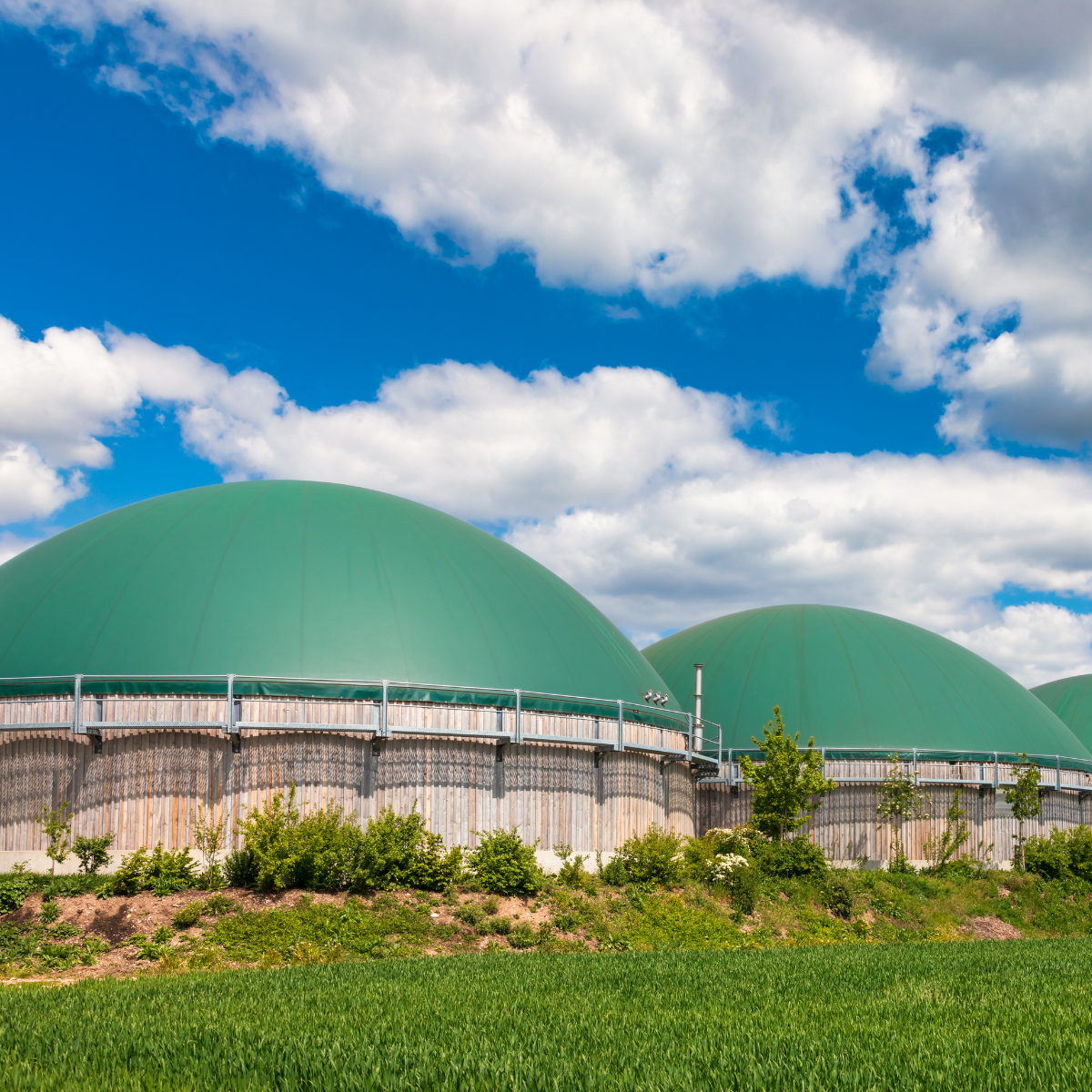
Currently there are 12 AD plants in the Midlands that accept food waste. Together they receive over 1,000t per annum and have an energy generation potential of 39.6MW(e). However, it is estimated by UK-based environmental charity Waste and Resources Action Programme (WRAP), that the Midlands produces 1,000,000 tonnes per annum, meaning there’s plenty of scope to increase the contribution of Anaerobic Digestion offering more locally sourced energy and wider options for farmers and other food waste producers.
Currently only 12 out of 40 local authorities in the East Midlands collect food waste.
It is estimated that some 145,936 – 180,484 tonnes of food waste would be collected per annum as a result of kerbside food waste collections being implemented across all East Midlands local authority areas.
An AD facility capable of handling over 150,000 tonnes of food waste annually, will produce around 180GWhs (Gigawatt hours) of biomethane, equivalent to the energy needs of 15,000 medium-sized homes.
Whilst looking to secure more of our energy supply from clean energy sources, there is still a need to reduce the energy we use, and one of the biggest areas of energy losses (waste or ‘leakage’) is from our buildings both domestic, public buildings, commercial and industrial.
For existing domestic buildings, including a high portion of the regional housing stock that is 60 years or older, we want to encourage changes to our building fabric, to reduce the leakage of energy we pay for and to consider whether we can heat and power our buildings differently.
Increasingly programmes like £15 bn Warm Homes Plan and initiatives like Minimum Energy Efficiency Standards are targeting improvements and new requirements for our social, owner-occupier and private rented sections. Together with fuel Poverty strategies these are looking to make warm homes affordable for all.
Improving energy efficiency of domestic buildings is a key part of meeting the governments targets for reducing fuel poverty and making warm homes affordable. A large proportion of carbon emissions across our region is related to the heating and energy usage of residential buildings. There are a number of different interventions to improve energy efficiency including insulation upgrades, (wall and loft), installation of new heating systems and energy generation technologies. Using SMART meters and electronic thermostats within the home can also help control heating more appropriately and reduce energy consumption and even lead to remote phone-based applications to switch heat off and on to suit daily patterns of need.

Improving energy efficiency of domestic buildings is a key part of meeting the governments targets for reducing fuel poverty and making warm homes affordable. A large proportion of carbon emissions across our region is related to the heating and energy usage of residential buildings. There are a number of different interventions to improve energy efficiency including insulation upgrades, (wall and loft), installation of new heating systems and energy generation technologies. Using SMART meters and electronic thermostats within the home can also help control heating more appropriately and reduce energy consumption and even lead to remote phone-based applications to switch heat off and on to suit daily patterns of need.
We are increasingly looking at all domestic buildings having a Energy Performance Certificate (EPC), that is valid for 10 years, and the format of these EPC assessments is destined to change in Autumn 2026. Energy efficiency improvements to properties are selected on a case-by-case basis. The survey process involves accessing a property, looking at the structure of the walls, roof and floors and any specific needs of the residents. The survey and assessment will look at the feasibility of numerous interventions to improve the properties energy performance and recommend the best combination of interventions.
A design is then required to be created to ensure the interventions will perform as intended and to consider and mitigate risk associated with retrofitting a property. Competent installers are selected and used to carry-out the work and there are checks in place to check the measure have been installed to the design specifications. A final handover of the property to the resident will be carried out which will ensure residents have all the information required to make the most of the upgrades to their property.
Costs for retrofit vary widely based on property size and the interventions selected. Properties that are in conversation areas or are listed buildings for example will be expected to have higher cost as measures will be required to meet planning requirements.
Current funding for the Warm Homes - Local Grant and warm Homes - Social Housing Fund projects sets the following averages cost caps for the delivery of energy efficiency measures, with local grant providing 100% grant funding for owner occupiers and the social housing fund providing 50% grant – with match funding required.
Energy Efficiency Measures (Insulation, Solar, Smart Meters, Ventilation) - £15,000 per property
Low Carbon Heating (Heat Pumps, High Retention Storage Heaters, Batteries) £15,000 per property
All Rented Properties are required to have energy efficiency improvements to improve the energy performance rating to C by 2030 as set out in the Warm Homes Plan and Minimum Energy Efficiency Standards.
Heating is one of the biggest uses of energy in the UK, as we work to keep our homes, offices and other buildings at a comfortable temperature. During the colder months - autumn, winter and parts of spring - heating demand increases significantly because we need to add more warmth to our buildings as outdoor temperatures drop. In summer, we rely less on heating, but increasingly we are seeing a greater need for cooling as hotter weather becomes more common. In areas with many homes or buildings close together - such as apartment blocks or dense urban neighbourhoods - it can often be more efficient to use one large, centralised heating system rather than individual gas boilers in each property. These larger shared systems are known as district heating systems or heat networks.
A heat network (district heating) supplies heat from a central source to multiple buildings through a network of insulated pipes (usually carrying hot water) — like central heating for a district/city.
Heat is generated in a centralised energy centre (or from multiple sources) and distributed via insulated underground pipework to customers such as homes, hospitals, universities, offices, and public/commercial buildings. In each building, a heat interface unit/heat exchanger transfers heat into the building’s own heating/hot-water system and can be metered. Heat networks are often most suitable in high-density areas and can enable low-carbon heat sources at scale (including recoverable/waste heat and large heat pumps).
Today around ~3% of UK heat is supplied by heat networks. In future, government estimates heat networks could supply up to 7% by 2030 and around 20% of UK heat by 2050 to help reduce the energy needed to keep houses and buildings warm. The scale of these heat networks can range from a small cluster of buildings to entire cities, depending on heat density and available heat sources.
Heat Network Zoning will designate areas in England where heat networks are expected to be the lowest-cost low-carbon way to decarbonise heat, Within zones, certain building types (and potentially certain low-carbon heat sources) can be required to connect, with exemptions where they are not cost-effective or where a better low-carbon option exists. The aim is to create sufficient demand certainty to unlock investment and accelerate delivery.
It’s enabled by the Energy Act 2023 (including provisions for a Zones Authority and local Zone Coordinators), DESNZ ran a pilot with 28 local authority partners, and has published zoning maps and opportunity reports for pilot cities including Birmingham, Coventry, Nottingham, and Stoke-on-Trent, within the Midlands region.
The Midlands Net Zero Hub provides practical support to help heat network opportunities move from early concept to deliverable projects. The Hub also supports the rollout of Heat Network Zoning, Local Net Zero Hubs host dedicated zoning implementation officers on behalf of DESNZ and provides a route for councils to access guidance, funding opportunity, coordination support, and project development help as zoning policy moves toward delivery.
The East Midlands has multiple locations where heat networks can stack up (urban density + anchor loads), and MNZH is already helping shape a pipeline of projects across Nottingham, Derby, Leicester, Lincolnshire, plus smaller community schemes, including Brassington, backed by an RCEF-funded feasibility study.
East Midlands projects have utilized funding routes like GHNF and HNES, with zoning progressively adding market certainty for investment and connections. A recent GHNF award of £23m to the Derby HN, secured over £100 million in additional investment committed by the HN Developer to develop a city-wide low-carbon heat network for Derby.
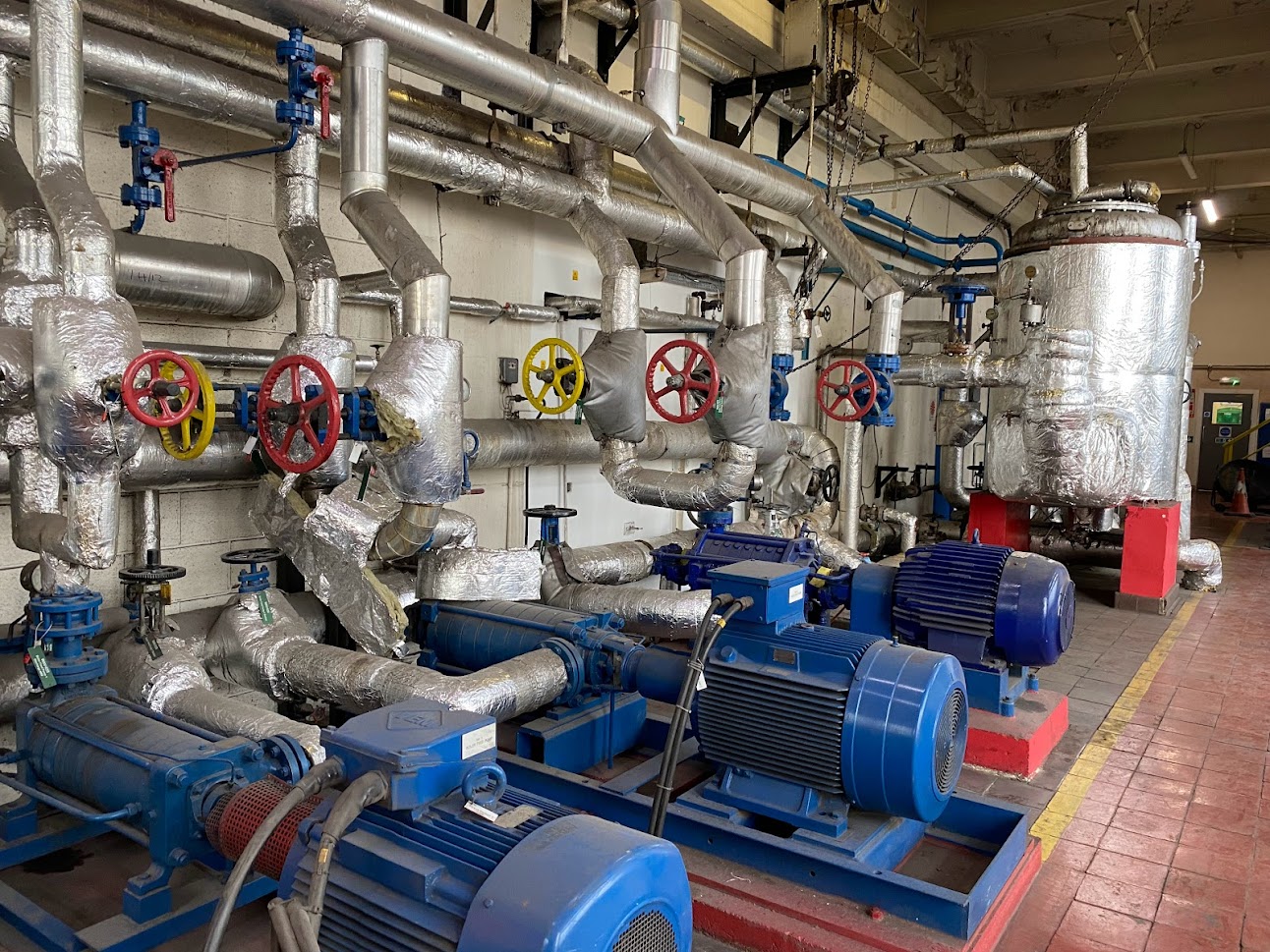
The range of Green Sector and Clean Energy jobs continues to rise as we adapt our lifestyles, place-making and energy system to the challenges of climate change and the desire for increased energy security.
Green Jobs is a broad sector definition that include those related to clean energy and clean power but also those jobs in automotive, aerospace, maritime, rail, forestry, agriculture, waste, oil and gas and the built environment - all areas where we are changing to respond to the challenges and risks of climate change including flood, weather, energy and processes and where we realise that the environment, as our natural capital, can help with adaption, mitigation and resilience. For more about the variety of roles then see Green Jobs Taskforce report
Clean Energy and Clean Power jobs are generally defined as those related to the energy transition and new technologies, and those related to power supply technologies, respectively. The jobs and opportunities for upskilling or training are especially evident in the offshore wind, nuclear, solar and retrofit sectors – and cover a wide range of roles from managerial, finance and administration to the traditional trades and support roles in engineering, construction, and operations and maintenance that we focus on with technical training. The approach to growing employment is summarised in Clean Energy Jobs Plan: Creating a new generation of good jobs to deliver energy security
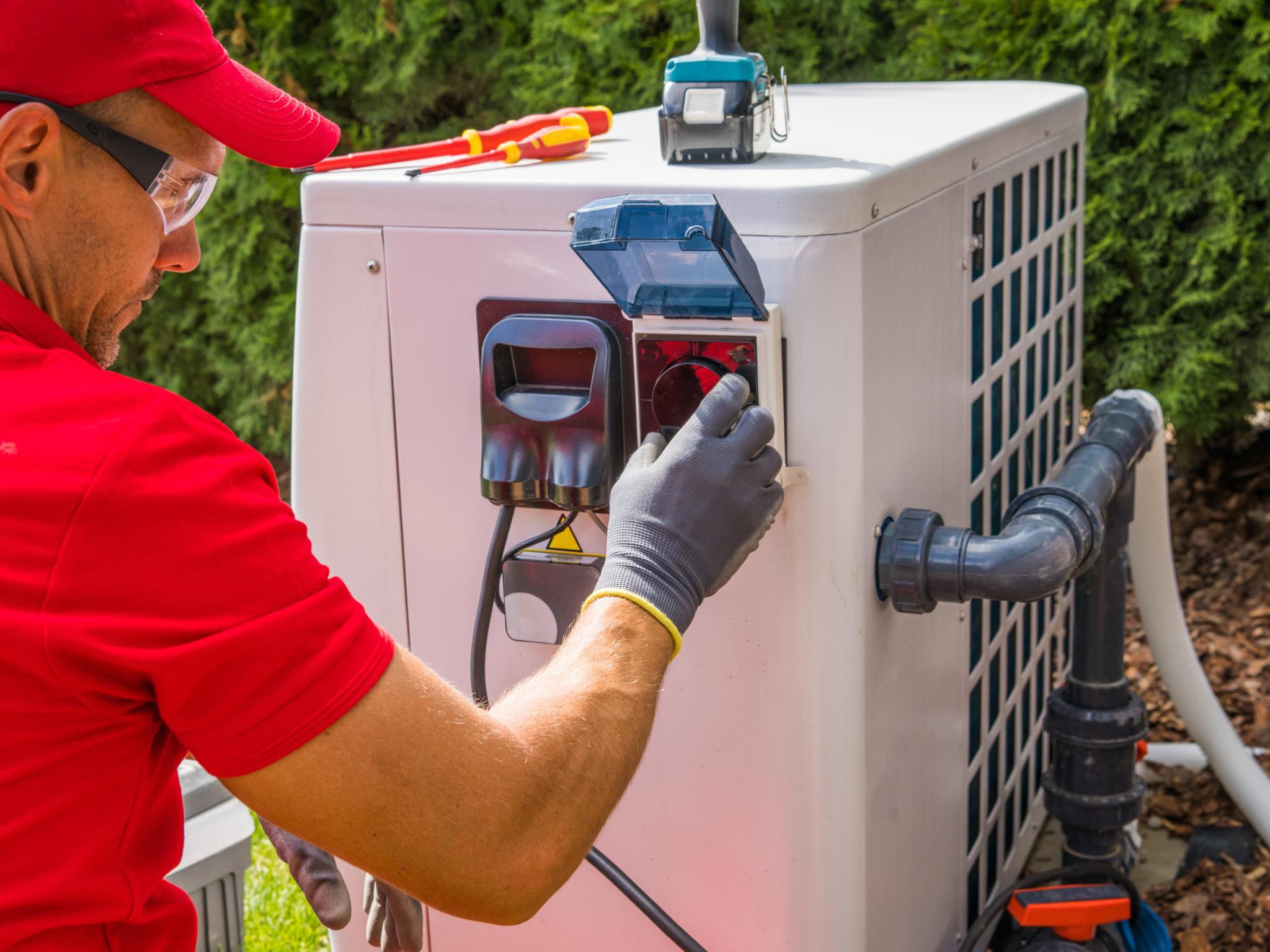
In the Clean Energy Sector, it is estimated that there are around 15,000 jobs currently in the East Midlands and that could significantly increase to 2030 and beyond as our activities in retrofit, solar, nuclear and other clean energy activities increase. This is consistent with the national view of around 400,000 clean energy jobs, with projected growth of up to 400,000 more.
The need for different skills for future opportunities is well understood by employees and local colleges – many of whom work together to provide modern courses that extend the traditional trade skills to advanced areas such as solar and heat pumps and provide the foundation for entry to employers within our regional supply chain. There is always a challenge in forecasting the rate of change and uptake for courses and together we need to build confidence that we can invest in the energy transition and retain more jobs locally within region.
There are specific examples of employment studies, supply chain reviews and training interventions across the East Midlands and nationally where the Midlands Net Zero Hub have led or been specifically involved that have contributed to over 30,000 training places, in such areas as
Heat Training Grant - Heat Training Grant: Heat Pumps
Green Homes Grants Competition and Homes Decarbonisation Skills - Green Homes Grant Skills Training Competition
Warm Homes Skills - Warm Homes Skills Programme
Regional Skills Pilot - Lincolnshire - Regional Skills Pilot – North & North East Lincolnshire
Nuclear Skills Study - Microsoft Word - Midlands Nuclear Report v1.1 [WORKING].docx
Regional Activity Studies - Low Carbon and Environmental Goods and Services Sector Study
The Heat Training Grant supports the development of a skilled workforce capable of installing and maintaining low‑carbon heating technologies across England. By funding accredited training for heat pumps and heat networks, the scheme helps boost industry capacity, accelerate decarbonisation of home heating, and support delivery of the UK’s wider net‑zero ambitions.
The Heat Training Grant provides financial support for trainees in England undertaking eligible training courses related to heat pumps and/or heat networks. The scheme aims to increase the number of qualified professionals able to deliver low‑carbon heating solutions—an essential step in reducing carbon emissions and meeting the UK’s climate commitments.
Training providers can offer grants of up to £500 per trainee. This support may be applied in different ways, including a discount on course fees, rebate and payment on completion of training . Eligible courses are typically short courses designed for individuals with existing experience in heating, construction, or building services.
Funding allocations for the Heat Training Grant are as follows:
2023–2025: £5 million
2025/26: £5 million
2026–2029: £7 million per year under the Warm Homes Plan
The Heat Training Grant launched in July 2023, absorbing the heat pump installer workstream of the Home Decarbonisation Skills Training Competition.
By the end of the previous financial year (FY24–25), the scheme had trained over 10,650 heat pump and heat network professionals.
The scheme has supported development of new heat network training courses and technical videos, helping prepare the sector for the Heat Network Technical Assurance Scheme (HNTAS) regulations.
The Midlands Net Zero Hub has administered the scheme since launch, helping expand low‑carbon heat training capacity across England.
There are now over 70 approved Heat Pump Training Providers and around 10 Heat Network Training Providers offering accredited courses nationwide.
Heat Pumps: Apply for the Heat Training Grant: discounted heat pump training – GOV.UK
Heat Networks: Heat Networks Heat Training Grant: discounted heat network training – GOV.UK
Or contact the Midlands Net Zero Hub
Heat Pumps: heatpumps@nottinghamcity.gov.uk
Heat Networks: heatnetworks@nottinghamcity.gov.uk
Between 2020 and 2024, a series of national government‑funded skills programmes helped grow the workforce needed to deliver large‑scale home energy efficiency improvements across England. Together, the Green Homes Grant Competition and the Homes Decarbonisation Skills Programme (Phases 1 and 2) accelerated the development of accredited retrofit, insulation and low‑carbon heating skills, laying the foundations for future delivery of major national retrofit schemes. The programmes were funded by the Department for Energy Security and Net Zero (DESNZ) and project‑managed by the Midlands Net Zero Hub (MNZH).
The programmes aimed to expand and upskill the domestic retrofit workforce by providing subsidised training in key areas such as:
Retrofit Assessor and Coordinator roles
Insulation installation
Low‑carbon heating, including heat pumps
Wider energy‑efficiency skills
They supported installers, tradespeople and new entrants to achieve the qualifications needed to meet PAS 2030, PAS 2035 and TrustMark requirements for government‑funded retrofit schemes.
Training was delivered through competitive, grant‑funded programmes that partnered with accredited training providers nationally. All courses aligned with National Occupational Standards and recognised industry frameworks (including PAS 2030, PAS 2035 and TrustMark), ensuring that learners gained high‑quality, industry‑approved qualifications.
Training was subsidised to remove cost barriers, particularly for individuals and small and medium‑sized enterprises. Delivery was structured across defined work packages—covering retrofit professional roles, insulation skills, heat‑pump installation and other core retrofit competencies.
MNZH managed key programme functions, including provider selection, coordination, quality assurance and evaluation.
A total of £24 million was allocated across the three programmes:
Green Homes Grant: £6 million
HDSTC Phase 1: £9.2 million
HDSTC Phase 2: £8.85 million
Midlands Net Zero Hub has supported delivery of three national retrofit skills programmes for DESNZ.
Enabled over 22,000 qualifications nationally:
GHG: 6,938
HDSTC Phase 1: 8,605
HDSTC Phase 2: 7,309
Worked with 18–24 training providers per phase to scale high‑quality training.
Strengthened the workforce needed to deliver major government schemes including the Social Housing Decarbonisation Fund (SHDF), Boiler Upgrade Scheme (BUS) and the Home Upgrade Grant (HUG).
The programmes also aligned with and supported national policy priorities including:
The UK’s Net Zero 2050 target
The Heat and Buildings Strategy
PAS 2035 / PAS 2030 compliance
TrustMark quality assurance
They contributed to a more resilient, skilled retrofit workforce and informed development of the current Warm Homes Skills Programme.
Although national in scope, the programmes built significant project management and programme delivery expertise within the Midlands Net Zero Hub. This capability now directly supports successful delivery of the Warm Homes Skills Programme across the region and beyond. Nationally, the programmes helped grow retrofit capacity, tackle fuel poverty, improve older housing stock, support SME growth and aid long term decarbonisation goals.
Evaluation reports for HDSTC Phases 1 and 2 can be downloaded from the MNZH skills webpage - Home Decarbonisation Skills Training Competition (HDSTC)
For further information, please contact: Nafsika.Drosou@nottinghamcity.gov.uk
The Warm Homes Skills Programme (WHSP) is a national initiative designed to grow the workforce needed to deliver large‑scale home energy efficiency upgrades across England. By funding accredited training for retrofit and energy efficiency roles, the programme strengthens industry capacity, supports delivery of the Warm Homes Plan, and underpins the UK’s wider ambition to decarbonise homes and buildings.
The programme provides subsidised training to support:
Retrofit professionals (e.g. Retrofit Assessors and Coordinators)
Installers (e.g. insulation, solar PV)
New entrants joining the energy efficiency and retrofit workforce
Upskilling for existing construction and building services professionals
The Midlands Net Zero Hub plays an enabling role across the programme - supporting alignment between training provision, local authority retrofit delivery, and wider regional energy and skills priorities.
The programme is delivered through grant funding awarded to training providers across England, including FE colleges, specialist academies and manufacturer training centres. Training must be aligned with national industry standards such as PAS 2035 and PAS 2038.
Training activity is structured around four work packages:
Home Retrofit Professionals (e.g. Retrofit Assessor, Retrofit Coordinator)
Fabric Insulation and Solar PV Installation
Short CPD and Entry‑Level Courses
Skills for Professionals Working on Non‑Domestic Buildings
This investment supports national workforce growth required for large‑scale Warm Homes and retrofit delivery.
£8 million grant funding available in Phase 1 (2025–2026)
Up to £1 million per training provider (subject to subsidy control rules)
Up to 9,000 subsidised training places across England
Potential for future phases (up to 2027), subject to performance and funding confirmation
WHSP grant funding has been awarded to 23 training providers across England.
Over 1,300 learners have already completed training within the first five months of delivery.
A further 1,600 learners are currently undertaking courses.
Training is booked directly with providers - a full list is available via GOV.UK
The Warm Homes Skills Programme offers the East Midlands a strong opportunity to grow a skilled retrofit workforce, support green jobs and strengthen the regional economy. By improving local authority delivery capacity and keeping skills and investment within the region, it helps build a coordinated, future ready sector. With national retrofit activity set to expand, developing local capability will be essential to securing long‑term economic and environmental benefits.
Who to speak to/where to go for more information - Warm Homes Skills Programme guidance (GOV.UK)
Warm Homes Skills Programme: competition guidance
Midlands Net Zero Hub – Retrofit & Skills activity
Midlands Net Zero Hub – Warm Homes Skills Programme
The Regional Skills Pilot (RSP) in North and North East Lincolnshire supports the UK’s transition to clean energy by helping local workers develop the skills needed for emerging clean energy industries. As part of the national Clean Energy Jobs Plan, the pilot focuses on preparing the regional workforce for opportunities created by offshore wind, nuclear, solar and other low‑carbon sectors.
The Regional Skills Pilot is an initiative led by the Office for Clean Energy Jobs within the Department for Energy Security and Net Zero. It aims to build a highly skilled and diverse workforce capable of meeting the growing demand for clean energy roles linked to Clean Power 2030.
Four regions were identified nationally as growth hubs for clean energy: Aberdeen, Cheshire, Lincolnshire, and Pembrokeshire. The Midlands Net Zero Hub (MNZH) manages the pilot in North and North East Lincolnshire, where the clean energy industry is growing rapidly.
Phase 1
Phase 1 focused on understanding local workforce needs, mapping skills gaps, and identifying barriers to entering clean energy sectors. MNZH developed a detailed skills mapping plan to pinpoint the training and support required to help workers transition from carbon‑intensive roles into clean energy employment.
Phase 2
Phase 2 is delivering practical interventions tailored to the area, including:
Subsidised technical and introductory clean energy training, delivered by training providers awarded grant funding.
Bursaries for eligible learners to help remove financial barriers to training.
Careers advice and a communications programme to support individuals exploring or moving into clean energy roles.
More than £900,000 has been allocated to the North and North East Lincolnshire pilot across both phases.
The pilot aims to support delivery of up to 250 clean energy qualifications.
Activity is targeted at workers in carbon‑intensive sectors, helping them transition into long‑term, sustainable clean energy employment.
Visit the RSP North and North East Lincolnshire webpage for more details, or contact the MNZH RSP team: